
Customs vigilance in freight forwarding means spotting irregularities in a shipment and acting on them rather than looking the other way — and it can make a real difference. Aver Logistics recently played a part in exactly this kind of outcome, referring a suspicious container to the Home Office and the National Crime Agency (NCA), which led to a significant seizure of illegal drugs and the disruption of an organised crime operation. We’re sharing what happened, in general terms, because it illustrates something every UK importer and exporter should know: the freight industry is a genuine frontline in the fight against smuggling, and choosing the right partner matters.
What happened
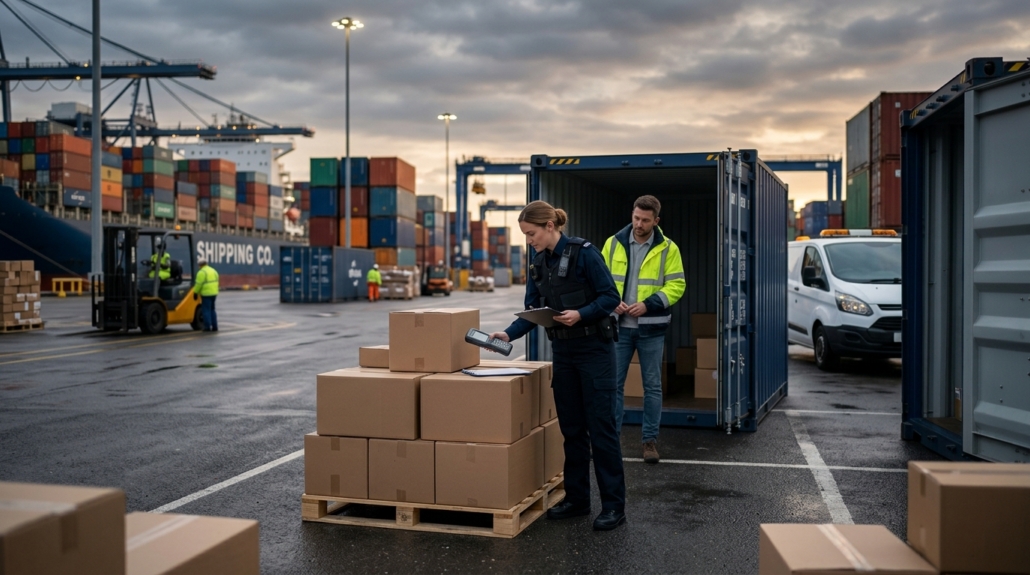
During routine handling of a container shipment, our team identified inconsistencies that didn’t sit right. Rather than processing the consignment as normal, we flagged our concerns and referred the container to the relevant authorities for further investigation. Following that referral, Border Force, the Home Office’s Multi-Agency Hub and the NCA carried out their own checks and confirmed the container held a substantial quantity of cannabis, both herbal and resin, with an estimated street value running into the millions of pounds. A notice of seizure was subsequently issued, and the case has opened further lines of enquiry into the organised crime activity behind it.
We’re proud of the role our team played, but we want to be clear: this wasn’t luck. It was the product of trained staff following established due diligence procedures, knowing what to look for, and having a direct, trusted line of communication with UK law enforcement.
Why this matters to UK importers and exporters
If you import or export goods, you rely on your freight forwarder and customs broker to do more than move boxes from A to B. You rely on them to protect your supply chain’s integrity — because if illegal goods pass through a consignment linked to your business, even unknowingly, the consequences can include delayed shipments, reputational damage, and lengthy investigations that disrupt your operations.
A freight partner with strong internal controls and a genuine working relationship with customs and law enforcement reduces that risk considerably. It means:
- Suspicious shipments are more likely to be caught before they reach the wider supply chain.
- Legitimate cargo keeps moving without unnecessary hold-ups, because trusted forwarders are recognised as compliant operators.
- Your business is less likely to be drawn into an investigation that has nothing to do with your own trade.
This is one of the reasons in-house customs clearance matters so much when choosing a logistics partner. When compliance sits within the same team handling your freight, checks happen earlier and communication with authorities is faster.
How due diligence works in practice
Good due diligence isn’t a single checkpoint — it’s a mindset that runs through every stage of a shipment, from booking to delivery. In practice, this includes:
- Documentation checks: verifying that commercial invoices, packing lists and declared values are consistent and plausible for the goods described.
- Route and origin awareness: understanding which trade lanes carry higher risk profiles and applying extra scrutiny where appropriate.
- Staff training: ensuring operational teams know the warning signs of concealment or misdeclaration, and feel empowered to escalate concerns.
- Clear escalation routes: having direct, established contacts with Border Force, the Home Office and the NCA, so that concerns can be referred quickly and appropriately.
None of this replaces the work of law enforcement — it complements it. Freight forwarders sit in a unique position, handling huge volumes of cargo and often spotting anomalies long before goods reach a port inspection. Referring the right shipment at the right time can make all the difference to an investigation’s outcome.
Working with law enforcement
Following this case, we’ve also been engaging further with Home Office intelligence teams and the NCA through their trade outreach programme, which involves briefings on current smuggling trends and emerging risks across the container industry. These sessions are a valuable two-way exchange: they help authorities understand operational realities on the ground, and they help freight businesses like ours stay current on the tactics being used by organised crime groups.
We’d encourage other freight forwarders, agents and shipping lines to take up similar engagement where it’s offered. The more the industry collaborates openly with bodies such as Border Force and the NCA, the harder it becomes for illegal shipments to slip through. You can find further guidance on UK customs and import controls at GOV.UK.
What this means for your shipments
For our clients, the practical takeaway is straightforward: robust due diligence protects you. Whether you’re moving cargo by sea freight or air, the same principle applies — a forwarder that takes compliance seriously reduces the chance of your goods being delayed, questioned, or associated with a case that has nothing to do with your business.
If you’re reviewing your current freight arrangements or want reassurance that your supply chain is in safe hands, it’s worth asking your forwarder directly about their compliance processes and their relationship with UK customs authorities. A confident, transparent answer is a good sign.
Get in touch
If you’d like to discuss how Aver Logistics handles compliance, customs clearance or your next shipment, we’re happy to talk it through. Get a quote for your next consignment, or contact our team to find out more about how we keep your goods — and your business — moving safely.