Contact Information
Location
Aver Logistics Ltd
Chenies Manor House
Chenies
Buckinghamshire
WD3 6EP

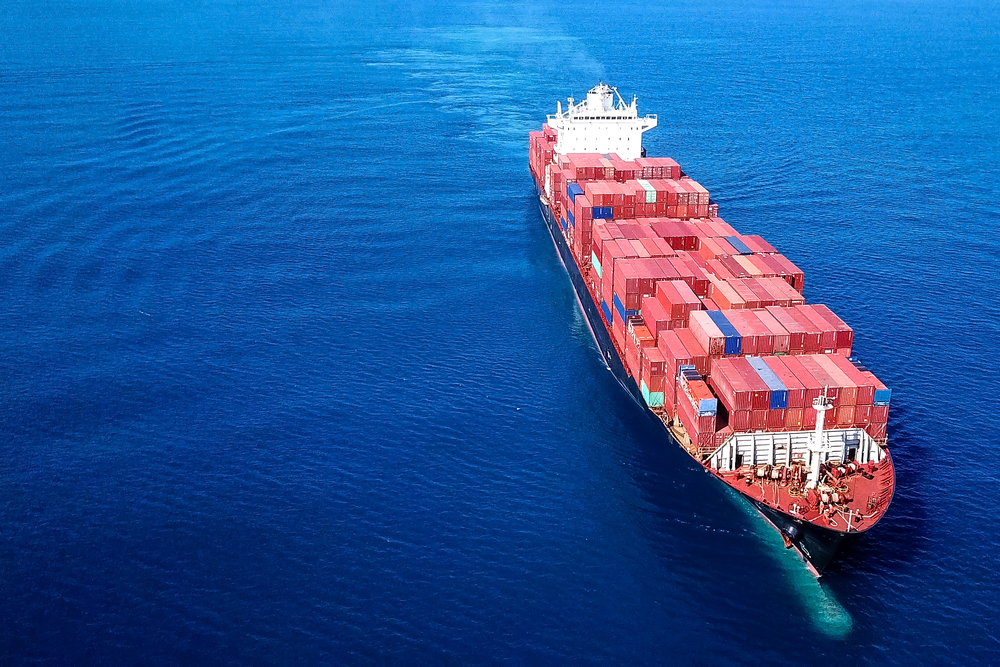
A new Arctic shipping route between China and the UK is being developed with the promise of cutting sea transit times by around half compared with the traditional route via the Suez Canal. For UK importers and exporters who rely on China for manufacturing, components or finished goods, this is worth understanding now, even though the route is not yet a mainstream option for most cargo.
As with any emerging shipping lane, the headline about faster transit times only tells part of the story. Capacity, reliability, seasonality, insurance and cost all need to be weighed before it becomes a realistic alternative to established trade lanes for the majority of shippers.
The conventional sea route from China to the UK runs via the Suez Canal, a passage that has faced repeated disruption in recent years, from vessel groundings to regional security incidents affecting Red Sea transits. Diversions around the Cape of Good Hope, used by many carriers when Suez access is uncertain, have already added significant time and cost to standard sailings.
An Arctic route, typically referring to the Northern Sea Route along Russia’s Arctic coastline, offers a geographically shorter path between North Asia and Northern Europe. Melting sea ice during summer months has made this passage increasingly navigable for parts of the year, and interest from Chinese shipping interests in developing it as a commercial corridor has grown accordingly.
For UK trade, a shorter, more direct route could mean faster replenishment cycles, reduced exposure to Suez-related delays, and potentially a useful diversification option alongside existing air, sea and rail freight strategies.
It’s important to set expectations correctly. An Arctic route is not going to replace the Suez Canal or existing China-UK trade lanes overnight, for several practical reasons:
In short, this is a route to watch and plan around rather than one to build an entire supply chain strategy on just yet.
Faster transit times sound like an unambiguous win, but the commercial picture is more nuanced. Shorter voyages can reduce inventory carrying costs and improve responsiveness for time-sensitive goods, which matters for sectors such as fashion, electronics and seasonal retail where speed to market affects margin and relevance.
At the same time, until capacity and scheduling reliability improve, rates on any new Arctic service are likely to reflect the specialist vessels and limited competition involved. Businesses considering this route should think of it as a premium or supplementary option in the near term, rather than a direct cost-saving alternative to standard ocean freight.
Even with an Arctic route still maturing, there are sensible steps businesses trading with China can take:
The emergence of an Arctic option sits alongside other shifts in how goods move between China and the UK, including growing use of rail freight via Central Asia and continued reliance on air freight for urgent or high-value cargo. Rather than one route replacing another, UK businesses are increasingly building resilience by using a mix of options and adjusting the balance as conditions change.
This is precisely the kind of decision where having an experienced freight forwarder managing the detail — tracking route developments, comparing real costs and lead times, and handling customs clearance seamlessly — makes a practical difference rather than a theoretical one.
If you’d like to talk through how an Arctic route, or any other China-UK shipping option, might fit into your supply chain, get in touch with the Aver Logistics team for a tailored quote and honest advice on what’s right for your cargo.
Fast, time-critical air cargo with in-house customs on every shipment.
Learn moreCost-effective FCL & LCL ocean freight on every major trade lane.
Learn moreThe greener middle ground between air and ocean on the Asia–UK corridor.
Learn moreFlexible door-to-door road freight across the UK and Europe.
Learn moreIn-house UK customs clearance that keeps your goods moving.
Learn more
 Fuel Prices and Importing from China: What Changes — Aver Logistics
Scroll to top
Fuel Prices and Importing from China: What Changes — Aver Logistics
Scroll to top