Contact Information
Location
Aver Logistics Ltd
Chenies Manor House
Chenies
Buckinghamshire
WD3 6EP

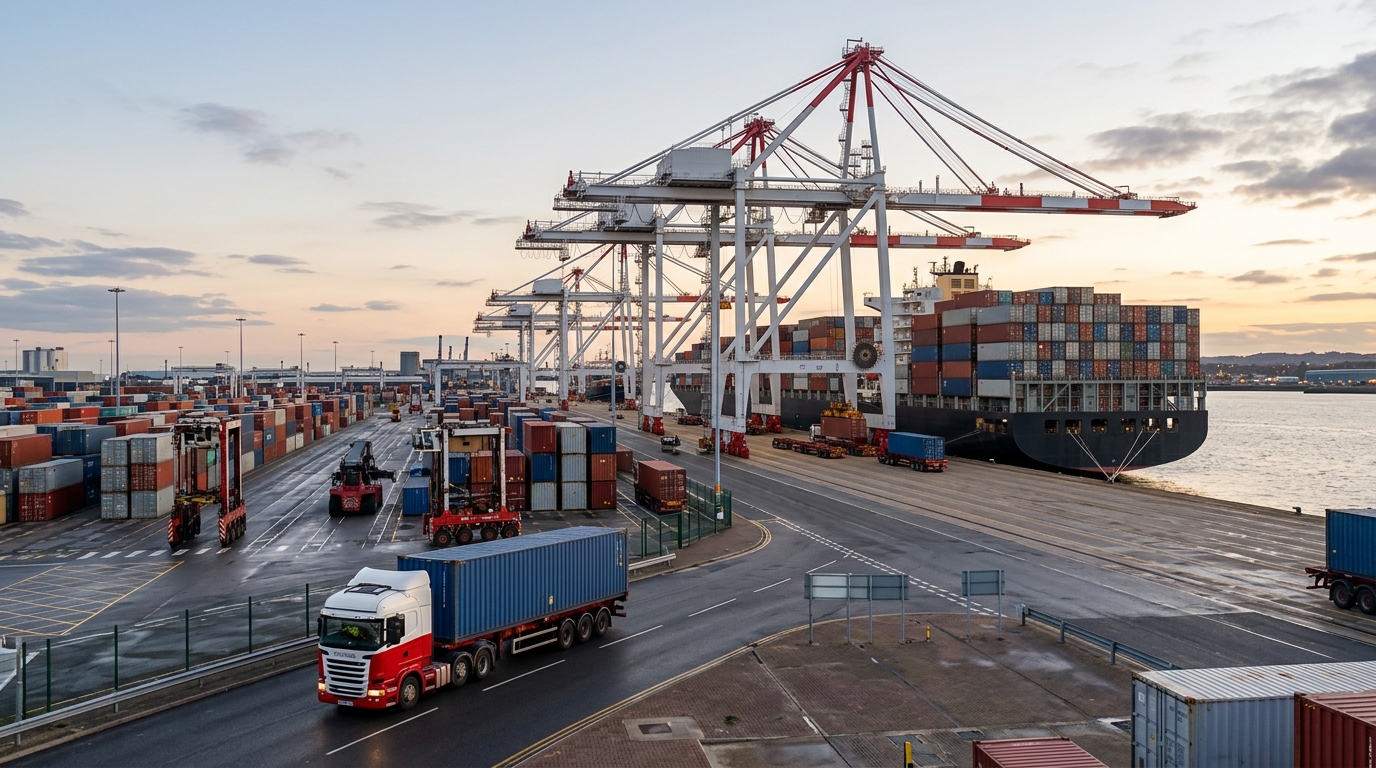
Fuel prices directly affect the cost of importing from China because shipping lines and airlines pass on fuel costs through surcharges added to base freight rates. When oil prices rise, these surcharges increase, pushing up the landed cost of goods even if the underlying freight rate hasn’t changed. Understanding how this works helps UK importers plan budgets and choose the right transport mode.
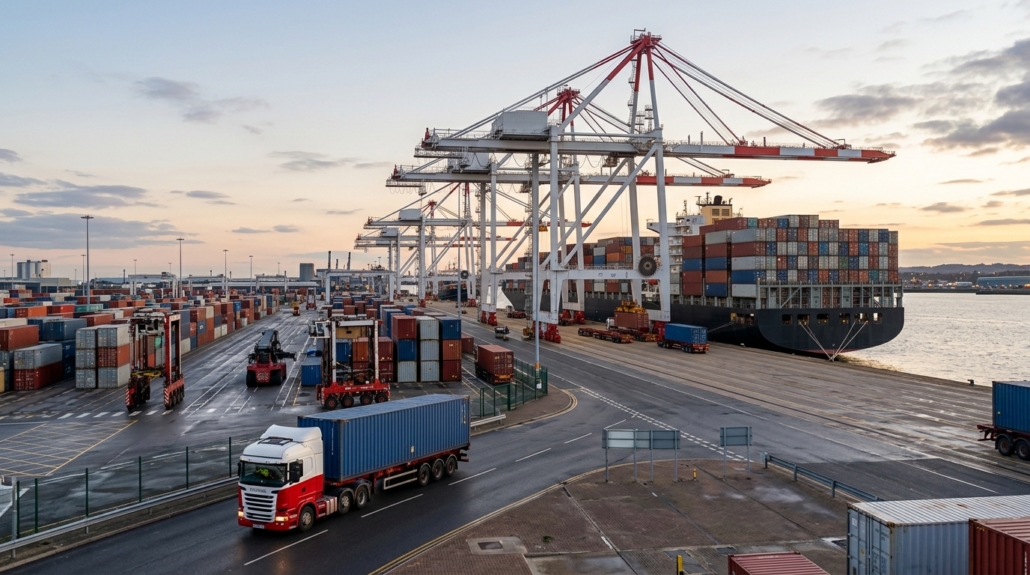
Fuel has always been a cost driver in freight, but the last few years have made the link between energy markets and shipping costs far more visible. Volatility in oil markets, driven by geopolitical events, shifting sanctions regimes and changes in global demand, has meant that fuel surcharges on ocean and air freight have swung more sharply and more frequently than importers are used to. For businesses bringing goods in from China, where transit times are long and volumes are often large, even modest percentage changes in fuel costs can add up to a meaningful sum across a year’s worth of shipments.
Trade press has been tracking this closely. Reports in outlets such as The Loadstar and Lloyd’s List have highlighted how carriers on Asia-Europe routes have adjusted bunker adjustment factors (BAFs) in response to fluctuating fuel costs, sometimes with only a few weeks’ notice. That kind of short-notice change is difficult for importers to plan around unless they understand how the surcharge mechanism works in the first place.
It’s rarely as simple as “oil price up, freight price up.” Fuel costs are usually passed through via specific surcharges layered on top of the base freight rate:
Because these surcharges are reviewed and adjusted on a rolling basis, often monthly, a quote you receive today may not reflect the fuel cost by the time your goods actually leave a Chinese port or airport. This is one of the reasons working with a forwarder who tracks these adjustments closely, and who can advise on timing and mode, is genuinely valuable rather than just a convenience.
The two main modes for importing from China respond to fuel price changes in different ways, and that has practical implications for how you plan shipments.
Sea freight remains the most cost-effective way to move larger volumes from China, but it’s also more exposed to bunker fuel costs over the length of a voyage. A typical China-to-UK sea freight journey can take several weeks, and if fuel surcharges are reviewed mid-voyage or between booking and departure, the final cost can differ from what was originally quoted. The International Maritime Organization’s ongoing work on reducing shipping emissions, including regulations affecting fuel type and vessel efficiency, is also gradually reshaping the cost base for ocean carriers — worth keeping an eye on via the IMO if you want to understand where global shipping fuel policy is heading.
Air freight is faster but carries a higher fuel cost per kilogram, and jet fuel prices can move sharply in response to global oil supply shocks. For time-sensitive or high-value goods from China, air freight surcharges are worth monitoring closely, particularly during periods when overall air cargo capacity is tight, as fuel and capacity pressures can compound each other.
Fuel-driven surcharges don’t operate in isolation — they interact with currency movements, port congestion charges and general rate increases (GRIs) that carriers apply during peak periods. When assessing whether importing from China remains cost-effective for a particular product line, it’s worth looking at the full landed cost picture rather than just the headline freight quote. This includes:
Getting proper in-house customs clearance support alongside your freight booking means duty and VAT calculations are handled correctly from the outset, so fuel surcharges don’t get muddled with other charges when you’re trying to understand where your costs are actually coming from.
You can’t control global oil markets, but you can reduce how exposed your business is to sudden fuel-driven cost changes:
Fuel prices are unlikely to settle into a predictable pattern any time soon, given the range of geopolitical and regulatory factors at play, from Middle East tensions affecting oil supply to the ongoing shift towards lower-emission marine fuels. For UK businesses importing from China, the practical response isn’t to try to predict fuel markets, but to build flexibility into freight planning, work with partners who track these changes closely, and keep a clear eye on total landed cost rather than just the freight quote.
If you’d like help understanding how current fuel surcharges are affecting your China import costs, or want to explore whether a different mode mix could reduce your exposure, get a quote from our team or get in touch to talk through your options.
Fast, time-critical air cargo with in-house customs on every shipment.
Learn moreCost-effective FCL & LCL ocean freight on every major trade lane.
Learn moreThe greener middle ground between air and ocean on the Asia–UK corridor.
Learn moreFlexible door-to-door road freight across the UK and Europe.
Learn moreIn-house UK customs clearance that keeps your goods moving.
Learn more
 How Vigilance in Freight Forwarding Helps Stop Drug Imports — Aver Logist...
Scroll to top