Contact Information
Location
Aver Logistics Ltd
Chenies Manor House
Chenies
Buckinghamshire
WD3 6EP


Aver Logistics has increased shipper security screening across its air, sea and road freight operations, adding more thorough checks on who is shipping what, and how that cargo is described and documented. For UK importers and exporters, this means slightly more information will be requested at booking stage, but it also means fewer delays and rejections further down the supply chain.
This article explains why we’ve made this change, what it involves in practice, and how shippers can prepare so that the extra screening adds security without adding friction.
Security screening isn’t new to freight forwarding — carriers, airlines and customs authorities have always applied checks to cargo moving through the supply chain. What’s changed is the level of scrutiny expected of forwarders themselves. Regulators and carriers increasingly expect forwarders to act as a genuine first line of defence, verifying shipper identity, cargo contents and documentation accuracy before goods ever reach a port, airport or terminal.
This is particularly acute in air freight, where known consignor and regulated agent frameworks set out strict requirements for how cargo is accepted, screened and secured before it’s tendered to an airline. But the same pressure is filtering through to sea and road freight too, driven by concerns around cargo theft, smuggling, misdeclared goods and, more broadly, supply chain integrity.
Aver’s decision to increase shipper screening is a proactive response to this environment. Rather than waiting for a carrier or customs authority to flag an issue, we’re building more robust checks into our own onboarding and booking processes.
In practical terms, shippers working with Aver will notice a few changes:
None of this is designed to slow down legitimate, well-documented shipments. In most cases, shippers who already provide accurate, complete paperwork will barely notice a difference. The impact falls mainly on shipments where information has historically been incomplete, generic or submitted late.

Air cargo security is governed by a well-established international framework, and the UK’s approach sits within standards set by bodies such as the International Air Transport Association. Under known consignor and regulated agent arrangements, cargo must be secured and screened at an appropriate point in the supply chain before it’s accepted for carriage. Aver’s increased screening supports this by ensuring shippers using our air freight forwarding services meet the documentation and cargo-description standards these frameworks require, reducing the risk of cargo being held or screened again at the airport, which can cause costly delays.
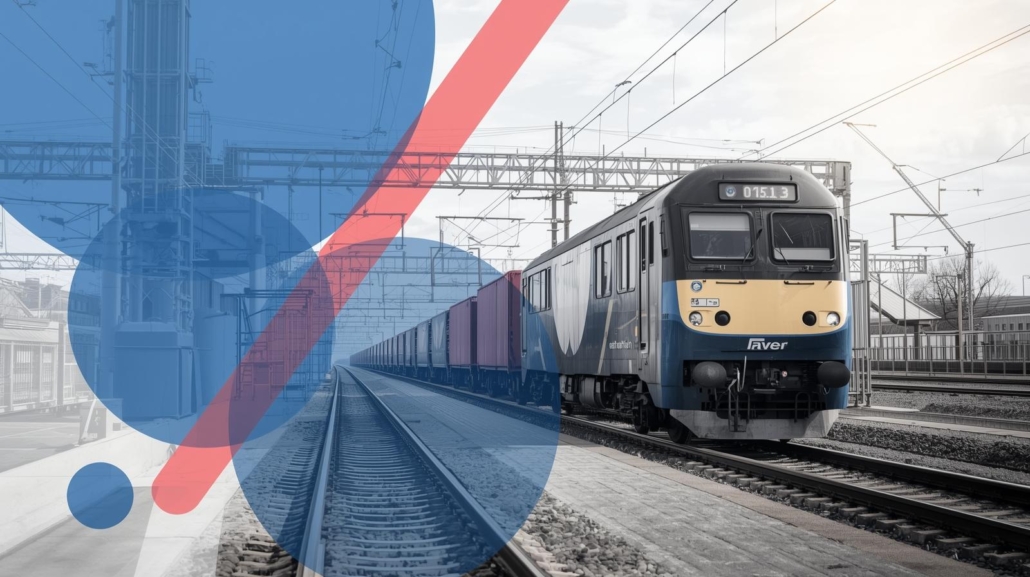
While air freight security requirements are the most codified, similar principles increasingly apply across other modes. Container lines and port operators are under growing pressure to prevent misuse of legitimate supply chains for smuggling or concealment, and road hauliers face their own checks around driver and vehicle security, particularly on routes crossing UK borders.
Shippers using sea freight or road freight services should expect the same underlying principle: accurate, specific, verifiable information about who is shipping, what is being shipped, and where it’s genuinely going and coming from.
There’s a natural overlap between security screening and customs compliance — both rely on accurate, consistent documentation. A shipment with a vague or inconsistent commodity description is not only more likely to attract security scrutiny, it’s also more likely to run into problems at customs clearance, whether that’s incorrect commodity coding, duty miscalculation, or a customs authority request for further information.
Because Aver handles in-house customs clearance alongside freight forwarding, we’re well placed to make sure the information gathered at screening stage also supports a smooth customs process, rather than treating the two as separate hurdles. Getting descriptions, values and classifications right once, at the start, saves time and avoids duplicated queries later.
For shippers wanting a general reference point on UK import and export requirements, GOV.UK publishes guidance on customs procedures, licensing and restricted goods that’s worth bookmarking alongside your own compliance checklist.
Most of the extra time associated with tighter screening can be avoided with a bit of preparation. We’d suggest:
Increased shipper screening isn’t about adding bureaucracy for its own sake. It’s about making sure that when cargo moves through Aver’s network, it’s doing so on a foundation of verified, accurate information — which protects legitimate shippers from the disruption caused by less scrupulous ones, and helps keep goods moving reliably through ports, airports and border crossings.
For most of our clients, this change will be barely noticeable day to day. For those shipping new commodities, working with new suppliers, or moving into new markets, a little extra preparation at booking stage will go a long way.
If you’d like to understand how the updated screening process might affect your shipments, or you’re planning a new trade lane and want to get the documentation right from the outset, get a quote or speak to the Aver team — we’re happy to talk it through before you book.
Fast, time-critical air cargo with in-house customs on every shipment.
Learn moreCost-effective FCL & LCL ocean freight on every major trade lane.
Learn moreThe greener middle ground between air and ocean on the Asia–UK corridor.
Learn moreFlexible door-to-door road freight across the UK and Europe.
Learn moreIn-house UK customs clearance that keeps your goods moving.
Learn more
 What’s New in the Aver Customer Portal — Aver Logistics
Scroll to top
What’s New in the Aver Customer Portal — Aver Logistics
Scroll to top