Contact Information
Location
Aver Logistics Ltd
Chenies Manor House
Chenies
Buckinghamshire
WD3 6EP

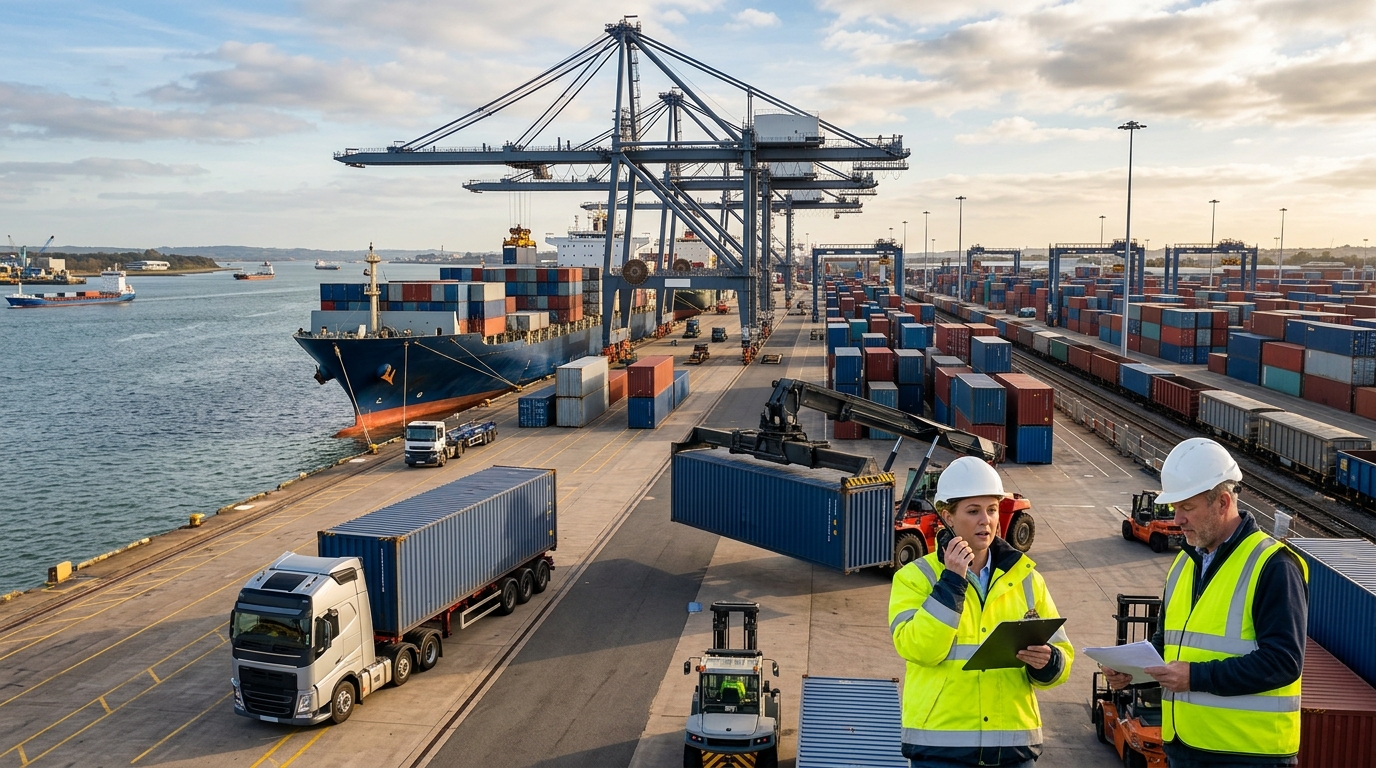
Alibaba shipping to the UK involves more than agreeing a price with a supplier. Once you confirm your order, you need to coordinate collection, international freight, UK customs clearance and final delivery. You must also account for duty, VAT and handling charges.
The Incoterm agreed with your supplier will determine which costs and responsibilities each party accepts. Regardless of the shipping terms, UK importers should understand the complete journey and true landed cost before paying a deposit.
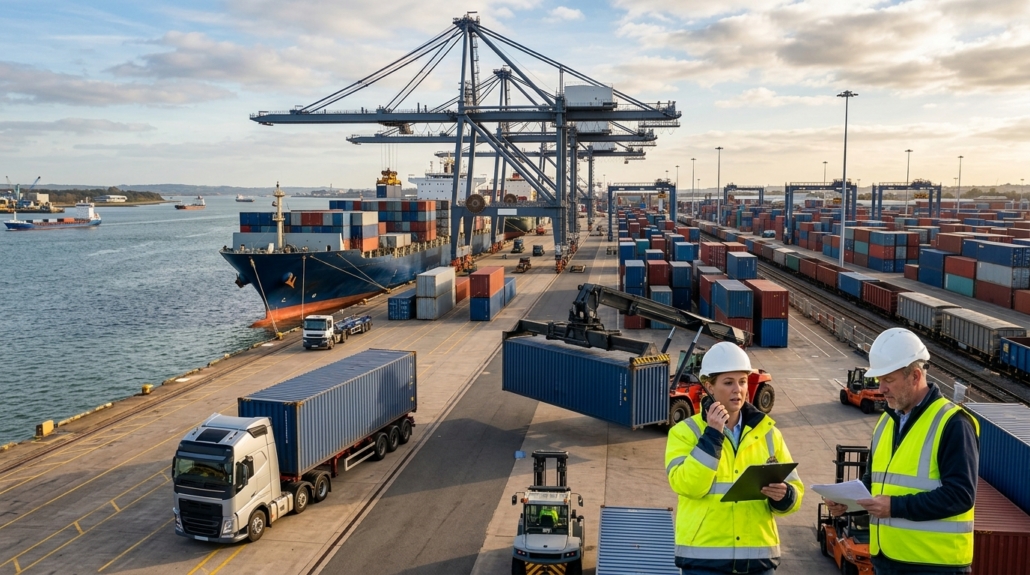
This guide explains how to choose the right freight method, calculate your landed cost, prepare for UK customs clearance and understand where an experienced freight forwarder can help.
Alibaba is primarily a sourcing marketplace. It helps businesses find manufacturers, compare quotations, negotiate prices and place orders.
Services such as Trade Assurance may provide protection for eligible orders when the agreed product quality or dispatch terms are not met. Buyers should ensure that all specifications, quantities and delivery commitments are recorded clearly within the Alibaba order.
However, buying through Alibaba does not automatically mean that every stage of the international shipment is included. Depending on the supplier’s quotation, you may still need to arrange:
Many suppliers offer to arrange shipping or provide a delivered price. This can be convenient, but check the quotation carefully. Terms such as “shipping included” or “door-to-door delivery” do not always explain who will act as importer, which UK charges the price covers or what customs documentation you will receive.
A UK-based freight forwarder can provide clearer visibility over the complete journey and give you a local point of contact if the shipment encounters a problem.
The best method for shipping from Alibaba to the UK will depend on the size, weight and value of the goods, as well as your budget and required delivery date.
For larger, heavier or less urgent Alibaba orders, sea freight is often the most cost-effective option.
There are two main ways to ship by sea:
Sea freight from China to the UK usually takes several weeks. Additional time should be allowed for collection, export handling, consolidation, port operations, customs clearance and final delivery.
A low ocean freight rate should never be considered in isolation. Origin charges, destination handling, customs fees and UK delivery can materially change the final cost.
Air freight is faster and can be suitable for smaller, lighter, higher-value or time-sensitive shipments, including:
Shipping via Air freight normally costs considerably more than sea freight. Airlines also calculate charges using chargeable weight, which compares the shipment’s actual weight with the space it occupies on the aircraft.
As a result, lightweight but bulky cartons can cost significantly more than their physical weight might suggest. Ask the supplier for final carton dimensions and gross weights before confirming the booking. Packing estimates can change once the supplier completes production.
Rail freight from China can offer a middle ground between air and sea for suitable cargo and routes.
Rail generally moves goods faster than conventional sea freight while costing less than air freight. However, routes, schedules and cargo acceptance can vary between services.
Consider rail when sea freight is too slow but the order does not justify air freight costs. A freight forwarder can compare the current services and recommend the most practical balance of cost, speed and reliability
Alibaba suppliers commonly quote using Incoterms such as EXW, FOB, CIF and DDP. These terms determine how costs, risks and responsibilities are divided between the buyer and seller.
The Incoterm should always include a named place or port, such as EXW Shenzhen, FOB Ningbo or CIF Felixstowe.
Under EXW, the supplier makes the goods available at its factory or warehouse. The buyer, usually through a freight forwarder, takes responsibility for arranging the onward movement.
This can include collection, inland transport, origin handling, export arrangements, international freight, UK clearance and delivery.
EXW gives the buyer greater control, but the supplier’s ability to support the export process should be checked before the order is confirmed.
FOB is commonly used for sea freight.
The supplier is generally responsible for delivering the goods to the named port, completing export formalities and loading them onto the vessel. The buyer then manages the international freight, UK destination charges, customs clearance and delivery.
FOB can provide a clear division of responsibility when the named port and included costs are properly documented.
Under CIF, the supplier arranges freight and a specified level of insurance to the named destination port.
CIF does not normally include every cost after arrival. UK handling, customs clearance, import duty, VAT and final delivery may still be payable by the buyer.
The insurance included under CIF may also be limited. Ask for details of the cover and consider whether separate cargo insurance is required.
DDP is often presented as the simplest option because the supplier agrees to take on extensive delivery and import responsibilities.
Before accepting a DDP quotation, establish:
An unclear DDP arrangement can create problems with customs records, VAT evidence and accountability. Convenience should not come at the cost of transparency.
Whichever Incoterm you agree, confirm it in writing before paying the supplier and make sure your freight forwarder knows exactly where its involvement needs to begin.
The price on an Alibaba listing is rarely close to what the goods will actually cost you once they land in the UK. A realistic landed cost calculation includes:
Skipping this exercise is one of the most common reasons new importers find their margins wiped out on what looked like a cheap deal. It’s worth doing this calculation, or asking your forwarder to help with it, before you commit to an order size.
Every shipment entering the UK needs to be declared to customs, with the correct commodity code, accurate valuation, and appropriate duty and VAT paid. Misclassifying goods, understating value, or missing required licences and certifications (common with electronics, cosmetics, textiles and children’s products) can lead to delays, fines, or goods being held at the border.
You’ll also need an EORI number to import commercially into the UK, and depending on the product, you may need to check for anti-dumping duties, which apply to a range of goods commonly sourced from China. The government’s own guidance at GOV.UK is a useful starting point for checking commodity codes and current duty rates, though for anything beyond the occasional small parcel, working with an experienced broker saves considerable time and risk.
Using in-house customs clearance as part of your freight arrangement means declarations, duty calculations and compliance checks are handled by people who do this daily, rather than you piecing it together for a one-off shipment.
Once you have agreed the product and commercial terms with your Alibaba supplier, Aver Logistics can manage the international movement.
Our support can include:
Where appropriate, we can also explore consolidating orders from multiple suppliers into a single shipment.
You retain control of the purchasing relationship while gaining one UK point of contact for the freight, customs and delivery process.
If you’re sourcing from Alibaba and want the shipping, customs and delivery side handled properly from the outset, it’s worth speaking to a forwarder before you place your first order rather than after goods are already in transit. Aver Logistics can manage the entire journey from supplier collection in China through to clearance and delivery in the UK — get a quote for your next shipment, or get in touch to talk through your sourcing plans with our team.
Fast, time-critical air cargo with in-house customs on every shipment.
Learn moreCost-effective FCL & LCL ocean freight on every major trade lane.
Learn moreThe greener middle ground between air and ocean on the Asia–UK corridor.
Learn moreFlexible door-to-door road freight across the UK and Europe.
Learn moreIn-house UK customs clearance that keeps your goods moving.
Learn more
 Aver Shipper Screening: What the Security Increase Means
Scroll to top
Aver Shipper Screening: What the Security Increase Means
Scroll to top